Modern Residential Architecture: Trends That Define 2025
Panjwani Architects
|
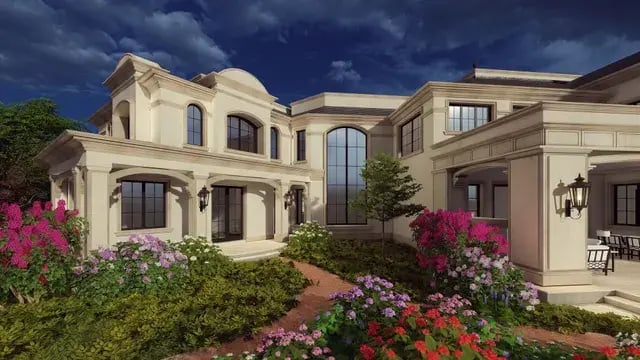
Residential architecture is evolving rapidly in response to changing lifestyles, environmental concerns, and technological advancements. In 2025, homeowners and designers are prioritizing spaces that are not only aesthetically pleasing but also functional, sustainable, and future-ready. Across India, and particularly in fast-growing cities like Dehradun, there's a visible shift toward modern design philosophies that blend innovation with nature.
Whether you’re planning to build your dream home or update your existing space, understanding the latest trends can help you make informed choices. This blog explores the top trends that are shaping residential architecture in 2025, with insights from leading residential architects in Dehradun.
1. Sustainable & Eco-Friendly Design
One of the most dominant trends in modern residential architecture is sustainability. Homeowners are increasingly concerned about their environmental footprint, prompting architects to incorporate eco-conscious solutions.
Key features include:
-
Use of locally sourced and recycled materials
-
Rainwater harvesting and greywater recycling systems
-
Solar panels and energy-efficient lighting
-
Passive cooling and cross-ventilation strategies
Many residential architects in Dehradun are leading the way in adopting green practices, utilizing natural materials like stone and wood, and integrating homes seamlessly with the surrounding landscape of the Himalayan foothills.
2. Open Concept Living Spaces
The concept of walls and separation is gradually disappearing in favor of open, flexible spaces. Open floor plans that blend the kitchen, dining, and living areas are becoming standard. This layout not only enhances visual space but also improves social interaction within the home.
Large glass panels, sliding doors, and minimal partitions give the illusion of a bigger home while allowing natural light to flow freely. This is particularly relevant in cities like Dehradun, where stunning mountain views and green surroundings can be embraced through thoughtful architectural planning.
Residential architects in Dehradun are known for skillfully merging indoor and outdoor spaces, using floor-to-ceiling windows and landscaped courtyards to create a serene, nature-infused atmosphere.
3. Smart Homes and Technological Integration
Technology is no longer an afterthought—it’s now a key component of architectural planning. In 2025, smart homes are equipped with integrated systems for lighting, security, climate control, and entertainment. Voice control, remote access, and AI-powered automation are becoming mainstream in residential construction.
Architects are collaborating with tech experts to ensure homes are not only wired for today's devices but are future-proofed for tomorrow's innovations. Features such as smart thermostats, keyless entry, motion-sensor lighting, and centralized control hubs are now standard in modern homes.
Forward-thinking residential architects in Dehradun are embracing these smart solutions to cater to the evolving needs of young professionals, tech-savvy families, and NRI homeowners seeking smart investment properties.
4. Minimalist Aesthetics with Natural Accents
The “less is more” philosophy continues to dominate in 2025. Clean lines, neutral tones, and uncluttered layouts define the modern home. Minimalism, however, doesn’t mean cold or impersonal. Warm textures, earthy materials, and biophilic design elements soften the minimal aesthetic and make spaces more inviting.
Designers are increasingly using natural stone, exposed concrete, and wooden finishes to create timeless interiors. Built-in furniture and hidden storage solutions contribute to a sleek, streamlined appearance while maximizing utility.
This trend is especially popular among homeowners in Dehradun who want a modern yet peaceful retreat from the hustle and bustle of urban life. Panoramic windows, rooftop gardens, and indoor plants help achieve that sense of balance and tranquility.
5. Adaptable and Multi-Use Spaces
With the rise of hybrid work and evolving family dynamics, modern homes are being designed with flexibility in mind. Spaces that serve multiple functions—like a guest room that can transform into a home office or gym—are highly in demand.
Architects are creating modular layouts, movable walls, and convertible furniture solutions to help homeowners adapt spaces based on changing needs. This flexibility not only enhances functionality but also adds long-term value to the property.
For clients in hill cities like Dehradun, where land may be limited or sloped, this adaptability is particularly beneficial. Expert architects use split levels, mezzanine floors, and tiered landscaping to make the most of available space.
In Conclusion
Modern residential architecture in 2025 is defined by innovation, sustainability, and personalization. Homeowners are more conscious than ever about how their living spaces impact their lifestyle, environment, and well-being. The trends discussed above represent a shift toward thoughtful, future-ready homes that are both beautiful and efficient.
If you're considering building or renovating a home and are looking for expert guidance, Panjwani Architects are among the most trusted names in the field. Known for their creative vision, technical expertise, and deep understanding of regional aesthetics, they are leading the way for residential architects in Dehradun. With a focus on quality, functionality, and sustainability, Panjwani Architects turn architectural dreams into timeless living spaces.